Terrifying email subject lines that will make you cry into your keyboard
The articles are titled satire. Today I write about Chinese equities listed in foreign markets.

Chinese stocks offer some of the world's greatest investment opportunities, giving investors access to companies that are well-established in their local markets and located in one of the most important economies worldwide. Yet, investing in Chinese stocks can be a difficult process for new investors due to the country’s financial regulations and language barriers. Here are some thouhhts to consider when it comes to investing in Chinese stocks:
Investing in Chinese stocks through foreign brokerages is another option for those not able to dealing directly with a Chinese exchange. Most major American brokerage firms such as Fidelity or TD Ameritrade offer international investing options that make it possible for US citizens to buy and sell Chinese equities from outside the country. Some Chinese equities also list in foreign markets (ie United States of America).These brokers may also provide greater resources than what is available locally, allowing investors more information about various investments before buying into them.

Before investing in any type of asset class, it is important to understand how geopolitical events might affect your investment. This can be pertinent when closely monitoring news from countries like China where their relationship with other nations may bring various challenges and opportunities for businesses within their borders. Pay special attention to shifts in regimes, tariff policies, and trade wars which could directly influence your investment decision-making process when it comes to Chinese equities.
An easy way for beginners who want exposure to markets like China’s stock markets is via ETFs (Exchange Traded Funds). They allow individuals who might not have enough capital for individual stock purchases yet still gain exposure within large stock indexes like SSE50 & CSI 300 which represent 50 largest listed companies within Shanghai/Shenzhen exchanges & 300 biggest stocks on mainland exchanges respectively; all without taking on too much risk during a single transaction since even if one company returns negative results other assets held by fund managers will likely make up difference associated with previous declines.
Chinese stock scams have been around for many years and are not new as more overseas investors are buying into Chinese stocks. It is important to learn about some of the common scams that you should avoid when investing in Chinese stocks. Here is an overview of some of the key scams to be aware of when trading on Chinese stock markets.
The Misleading Information Scam
This scam involves creating false or misleading information about a company in order to persuade others to purchase their shares. Companies may make exaggerated or false claims, such as a manufacturer sharing the revenue it expects to report over the coming quarter without disclosing any evidence supporting these claims. Other tactics involve spreading rumors or “inside information” that is not proven and turns out to be either false or irrelevant.
The Fraudulent Reporting Scam
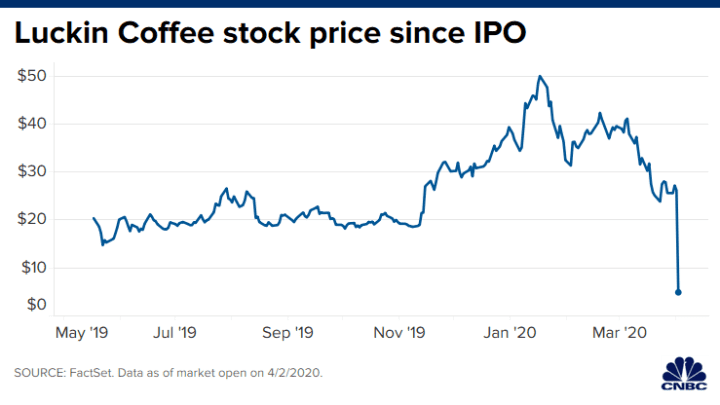
When trading Chinese stocks, investors must pay close attention to disclosure documents that a company prepares and releases along with its financial results each quarter or year-end period; these documents include everything from revenue estimates to balance sheet information. Unfortunately, manipulating financial numbers is sometimes used as part of a larger fraudulent reporting scam, where companies try to boost their profits by making false statements about their true financial picture – including losses they incurred in previous quarters but have failed to disclose – because doing so would reduce their overall value on the market.
The Pie in the Sky Scam
In this scam, small public companies attract unwitting investors by promising high returns for minimal investment - often offering returns too good for them reasonably expect from investing in traditional stocks . These "pie in the sky" investments usually involve investment opportunities that sound too good be true, such as impossible monetary gains from non-existent technology breakthroughs or highly improbable business partnerships with major corporations they desire simply don't exist yet. Investors who fall victim willingly surrender their money without doing any type due diligence research since they're uncertain if these are legitimate opportunities. Though the largest scam by far, is not Chinese; but American. Yes, I am referring to $TSLA.